
NIES's Site Layout 4
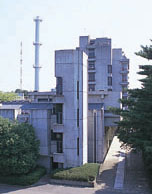
The animal laboratory has two facilities, in which environmental conditions are controlled. Facility I breeds conventional and specific pathogen-free laboratory animals and has complex gas exposure chambers. Facility II also has a conventional laboratoryanimal breeding unit and is useful for studies of the effects of heavy metals and residual chemical exposure. The Nuclear Magnetic Resonance Imager (NMRI) for living organisms images living bodies and active metabolic functions of humans and animals.
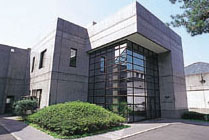
The Environmental Biotechnology Laboratory is used to develop applications of recombinant-DNA technology for environmental protection and to study the fate and effects of recombinant organisms in ecosystems. This laboratory was completed in FY 1993. The specialized instruments of the laboratory, including a peptide sequencer and a DNA sequencer, are actively used.
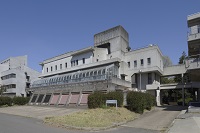
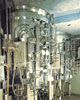
This is the soil laboratory, which contains large lysimeters, special growth chambers for studies of pesticide and heavy-metal effects, and soil-temperature-controlled chambers. Growth effects of pollutants and reclamation of contaminated soil are also studied.
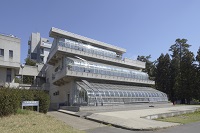
The botanical laboratory complex consists of two major facilities to evaluate the effects of various detailed environmental scenarios on plants and soils. Both facilities include experimental chambers in which light, temperature and humidity can be precisely controlled. Facility I also facilitates exposure of the experimental plants and soils to pollutant gases under these controlled conditions. Facility II has 2 simulators that permit the creation of microenvironments stratified from the soil up through the overlying atmosphere.
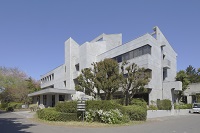
This laboratory includes a variety of facilities to evaluate pollution effects on community health. The Noise Effects Laboratory has one anechoic room and three sound-proof rooms for testing the psycho-physiological effects of noise on health. The Community Health Laboratory provides facilities for epidemiological studies on humans and experimental studies on animals to evaluate the effects of environmental pollutants.
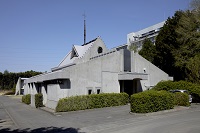
The institute's experimental farm is 4 km west of the main grounds. The farm's facilities include a cultivated field, an experimental field, lysimeters, a greenhouse, a tool storage shed, an observation tower, a remnant natural forest and offices. This farm serves to test results obtained in the indoor controlled-environment biological laboratories of the Institute; to evaluate the environmental maintenance functions of plant and soil ecosystems; and to supply plant material, particularly for use in bioassays and bioremediation, to researchers at the Institute.
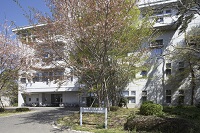
The Environmental Risk Research Laboratory is the core research facility of Research Center for Environmental Risk. In the Laboratory extensive research activities on ecological effects, human health effects and environmental exposure, as well as collection, analysis and dissemination of related information, are being conducted. The building is equipped with several special facilities including fresh water and marine water exposure systems for ecotoxicological research, breeding room for laboratory animals, and instruments including a liquid chromatograph -tandem mass spectrometry (LC/MS/MS) for the qualitative and quantitative analysis of environmental chemicals and a confocal laser scanning microscopy for cell biology.